Non-Woven Bag Pricing in India: What Actually Drives Cost for SMB Orders
4 February 2026
Two suppliers can quote different prices for the same bag. This guide breaks down the real cost drivers so Indian SMBs can compare quotes fairly and avoid overpaying.
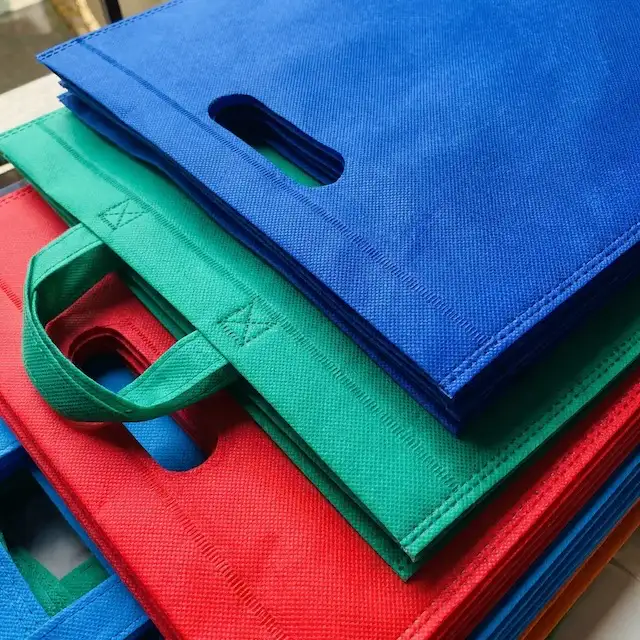
If you are an Indian SMB buying custom non-woven bags, price is usually the first hurdle. Two suppliers can quote different numbers for what looks like the same bag, and it is hard to tell what you are really paying for. This guide breaks down the real cost drivers so you can compare quotes fairly and avoid overpaying.
Non-woven bag pricing is not just price per piece. It is a stack of choices that affect materials, print setup, and production efficiency. When suppliers hide these details, you end up comparing apples to oranges.
Cost driver 1: material type and finish. Spunbond non-woven is the most cost-effective and widely used. Laminated non-woven adds a glossy finish and stronger color vibrancy, but costs more because of the added lamination step.
Cost driver 2: GSM (fabric thickness). Higher GSM means thicker and stronger bags, but it increases cost. Many SMBs over-spec GSM without needing it. If your products are light, you can save by choosing a lower GSM without compromising customer experience.
Cost driver 3: bag size. A few centimeters in width or height change how much fabric is used and how many bags fit on a cutting sheet. This directly affects cost. Standard sizes are typically cheaper unless you are ordering in high volume.
Cost driver 4: printing method. Screen printing is budget-friendly for simple, bold designs. Offset printing is better for detailed artwork and gradients but needs higher volumes to be cost-effective. Flexography is cheapest at very high volumes but less ideal for fine detail.
Cost driver 5: number of colors. Every additional color increases setup time and ink usage. A single-color logo can be significantly cheaper than a three-color design.
Cost driver 6: quantity and MOQ. Production gets cheaper per piece at higher quantities because setup costs are spread across more bags. Ask for pricing at MOQ and at the next breakpoint. The difference is often smaller than expected.
Cost driver 7: accessories and extras. Zippers, inner lamination, special handles, or reinforced bottoms add cost quickly. These are great for premium retail but unnecessary for many SMB use-cases.
To compare quotes properly, align these specs first: material type, GSM, size, printing method, number of colors, quantity, and delivery timeline. If any of these differ, the prices are not comparable.
If you want a fast, accurate price for your exact specs, share your use-case and we will recommend the best option and send a same-day quote.
Need help choosing the right bag?
Share your use case and we'll recommend the best options for your brand.